


Questions
Questions homeowners often ask.
Straight answers on the estimate, the survey, the installer, batteries, paying for it and aftercare. Anything else, send us a note or arrange a survey.

5 questions
The estimate.
Your roof is sized and priced from above, before anyone visits.
01How can you size my roof without visiting?
Aerial imagery shows the roof’s pitch, orientation, usable area and the shading around it. That is enough for an honest estimate. The survey then checks what the air can’t see.
What we read from above02Can the price change after the survey?
It can. The estimate is a range because the survey can find things the air can’t, such as rafters that need extra fixings or a consumer unit that needs work. If anything moves the price, you’ll know why before you sign.
What the survey checks03Will it work on a shaded or east–west roof?
Often, yes, just less than on a clear south-facing roof. Shade is where panel choice and optimisers earn their keep. If the numbers don’t work for your roof, your estimate will say so.
The kit we weigh04What about a north-facing roof?
It makes a good deal less than a roof facing south, east or west, and the steeper the slope, the bigger the gap. A shallow north slope can still be worth doing. Your estimate will say whether yours is.
05Is my roof suitable for solar?
Give us a postcode and your estimate will tell you. We read the pitch, which way it faces, the usable area, the shading and what it’s covered with, and if the roof isn’t worth doing, we’ll say so.
Get an estimate3 questions
The survey.
When the surveyor arrives, the only job is to confirm our numbers.
06What happens on survey day?
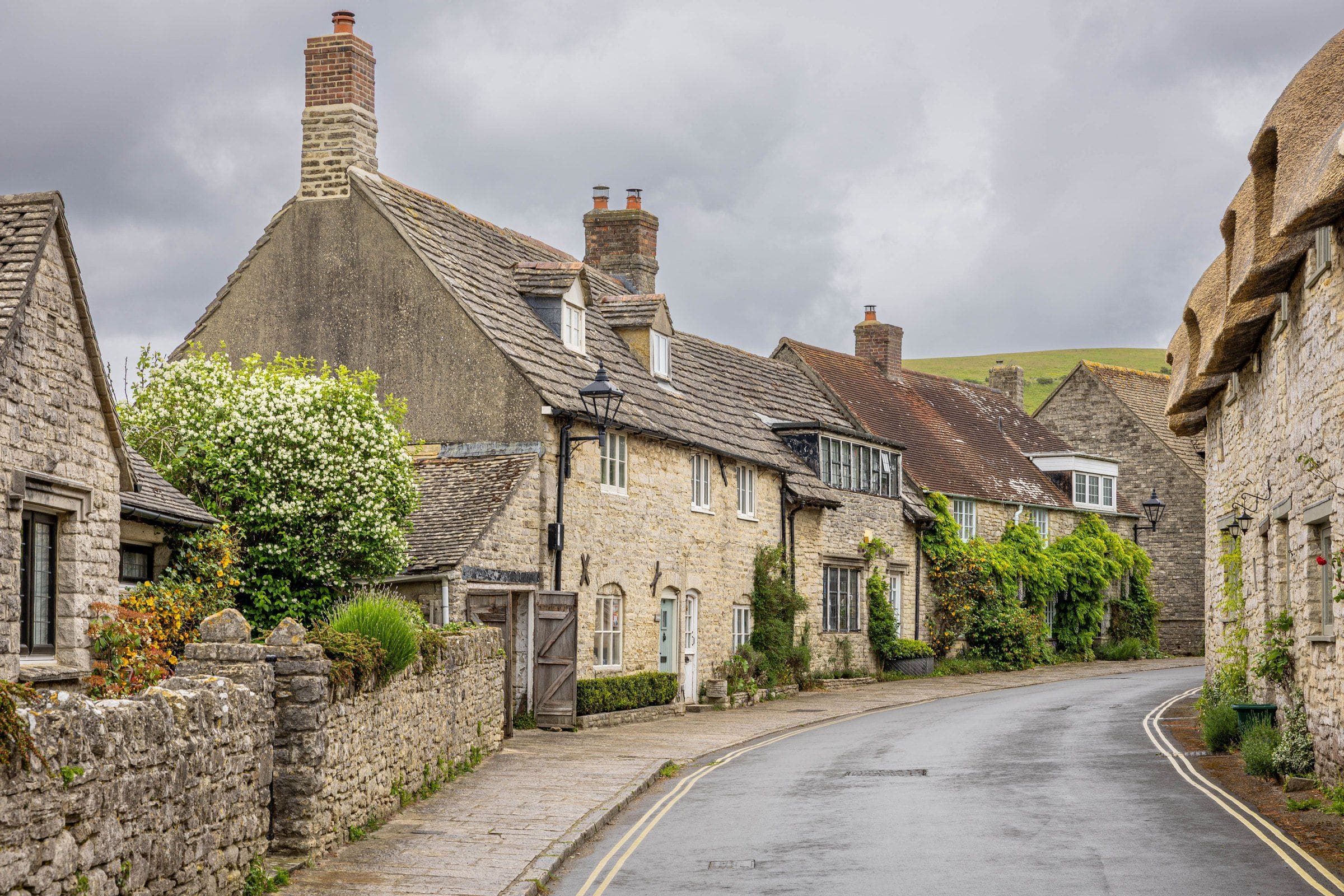
A surveyor confirms what we read from above and sees what the air can’t: the rafters, the electrics, a route for the cable and where the scaffold will stand. Clear a way to the loft hatch, the fuse box and the meter. Nothing is signed on the day.
Survey day, step by step07What does the survey cost?
We’ll tell you before it’s booked. The survey is a check, not a pitch: the surveyor confirms our numbers, explains anything that could move the price and leaves.
Ask before you book08Do I need planning permission?
Most homes don’t: home solar is usually permitted development. Listed buildings, conservation areas and flats can need permission, so check with your council first, and tell us before the survey.
5 questions
Installers and the match.
You get one name, not a bidding war, and that name has cleared all seven of our checks.
09Do you install the panels yourselves?
No. We’re an independent consultancy. We size and price your installation, then introduce the installer who clears our bar and prices your job best. They install; we stay on until it is signed off.
10How do you choose the installer?
Every installer we introduce holds all seven requirements on our installer bar. From those who cover your postcode, we weigh their price for your roof, their accreditation and their recent reviews, and introduce one.
How one name is chosen11Can I get more than one quote?
You can. The installer we introduce arrives with their quote already set against what the same system costs elsewhere, so you know where it stands before you compare it with anything else.
How quotes are checked12What if I don’t like the installer you introduce?
Say so before you sign anything, and tell us why. The choice stays yours, and we’d rather hear a doubt now than once the scaffold is up.
13How long does the install take?
Usually a day or two on the roof, with the scaffold going up before and coming down after. A larger or more complicated roof can take longer, and we keep in touch with the installer throughout.
How it works4 questions
Batteries.
A battery moves the roof’s midday power into the evening, and whether that pays depends on your home.
14Do I need a battery?
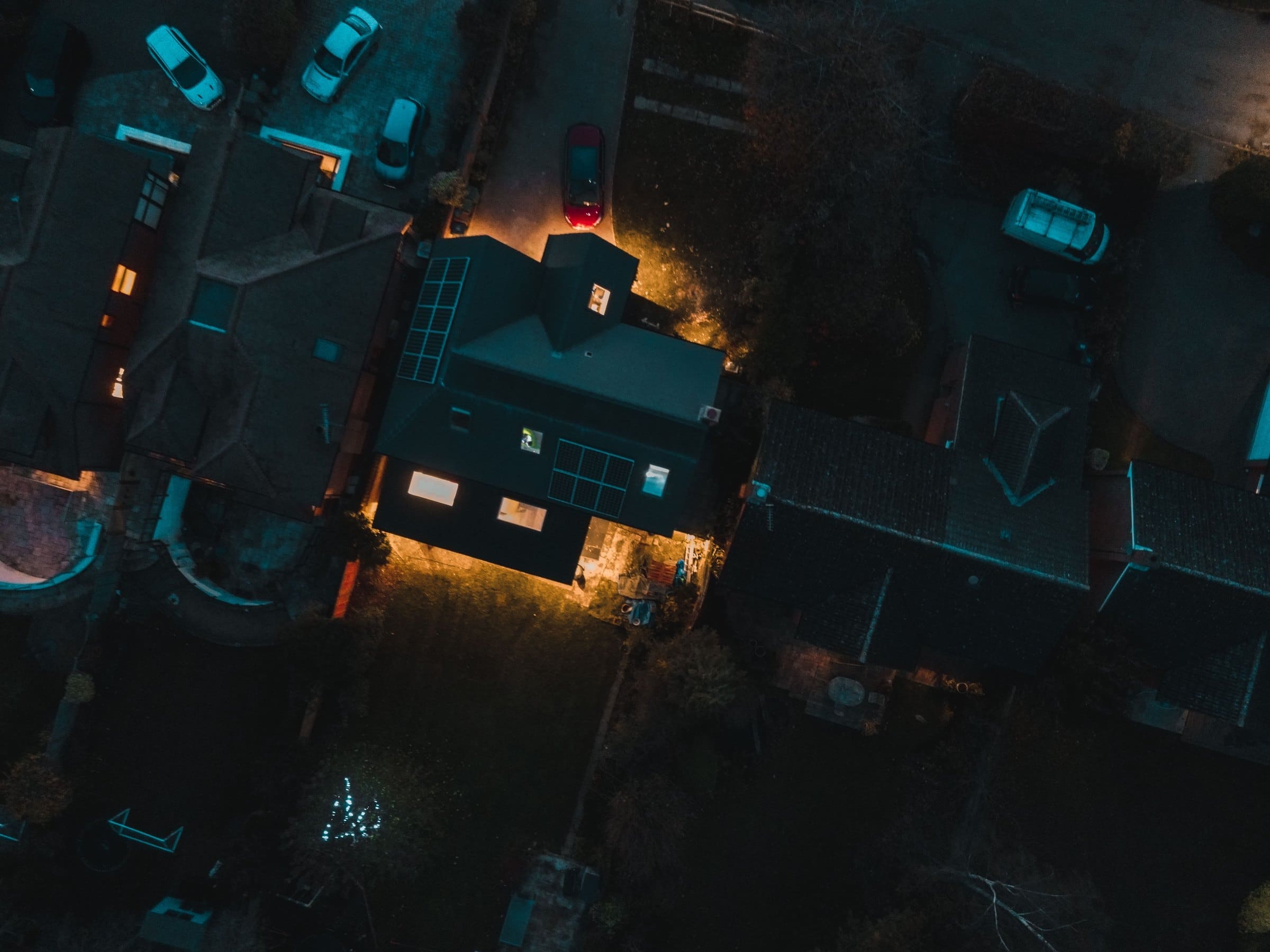
Not always. We price every estimate with and without one. A battery is more likely to pay when most of your use falls after dark.
When a battery pays15How big a battery do I need?
Big enough for your evenings, not the biggest box on the list. Your estimate prices a 10 kWh battery as a benchmark and shows the payback both ways; the survey and the installer’s quote size it to what you use after dark.
The batteries we price16How long does a battery last?
It depends on how hard it works: how many times a day it fills and empties, how deeply, and how warm it is kept. The manufacturer’s warranty sets out what it covers and for how long, and we keep it with the rest of your paperwork.
Warranties, kept together17Will a battery keep my lights on in a power cut?
Not on its own. For safety, a grid-connected system switches off when the grid goes down, battery included. Some systems can keep chosen circuits running with extra equipment, so if that matters to you, tell us when you book your survey.
4 questions
Paying for it.
How you pay changes the payback, so we put the numbers side by side.
18How do most people pay for solar?
In one of three ways: from savings, on the mortgage or with a loan. Savings give the shortest payback, because nothing is added to the price. Whichever you choose, set the monthly cost beside the monthly saving on your estimate before you sign anything.
Savings, mortgage or a loan19What should I check on a mortgage or a loan?
On the mortgage, the rate is often lower but spread over longer, so look at the total you’ll repay, not only the monthly figure. On a loan, the small print matters most: the rate, the term, any fee for paying early and what happens if you move. We don’t arrange or recommend finance, and this isn’t financial advice.
20Will I be paid for what I export?
Yes, through the Smart Export Guarantee, which needs the system to be MCS-certified. Each supplier sets its own export rate and rates vary, so it’s worth comparing. Applying is part of sign-off, and we chase until it’s done.
21How long until it pays for itself?
That depends on the price, how much of the roof’s power you use at home, and your tariff and export rate, which vary by supplier. On the example estimate for a semi-detached house in Exeter, it is about seven years without a battery and about ten with one; the battery on its own would take about 30 years to repay. Your own estimate shows both.
How the saving adds up5 questions
After it is fitted.
Once it’s on the roof, we chase the paperwork until it’s done, and we’re the first call if anything isn’t right.

22Can I add a battery, charger or heat pump later?
Yes, and it’s worth telling us now. Planning for them can change the inverter we choose and leave room for what comes next.
Planning for what’s next23What if something goes wrong after the install?
Call us first. We keep the warranties together and know who fitted your system, so we can chase the right company.
Who covers what24Can I watch what my system generates?
Not yet. Production monitoring, to see what your system makes, is planned for a later phase.
25What’s in the handover pack?
The MCS certificate, the electrical certificates, confirmation the grid has been notified, the manuals and every warranty: the installer’s workmanship warranty, the insurance-backed guarantee and each manufacturer’s own. We keep a copy of each on your job file, so nothing needs hunting for later.
Warranties and aftercare26What if the installer stops trading?
The insurance-backed guarantee keeps their workmanship warranty good. It is one of our seven checks, so every installer we introduce has one.
The seven checks4 questions
The app and where we work.
We work nationwide, and the app will let you follow the whole job from your phone.
27Do you cover my area?
Yes. We work nationwide. The roof is read from above wherever it is, and every installer we introduce holds the same seven checks.
See where we work28Is the app available yet?
Not yet. It’s coming soon to iOS and Android, and it will let you choose your route to solar and follow every step from application to installation.
29I rent my home. Can I still get solar?
With your landlord’s agreement, yes. The app is designed for it: tenants give their landlord’s details and see the approval status. Until it’s out, tell us you rent when you ask for an estimate.
Get an estimate30What happens to my details?
They go into one job file that we, your surveyor and the one installer we introduce work from, so nobody asks you the same question twice. We don’t pass them to a list. Our privacy policy sets out the rest.
Estimate or survey
Start with a postcode.
Our estimate is free. If you proceed to survey, our partner installer invoices you directly; we receive a referral fee from them, never from you, and it never affects which installer we introduce.
We use these details only to send your estimate and arrange a survey. Privacy Policy
This form needs JavaScript switched on.
Or ring us free on 0800 593 0413