


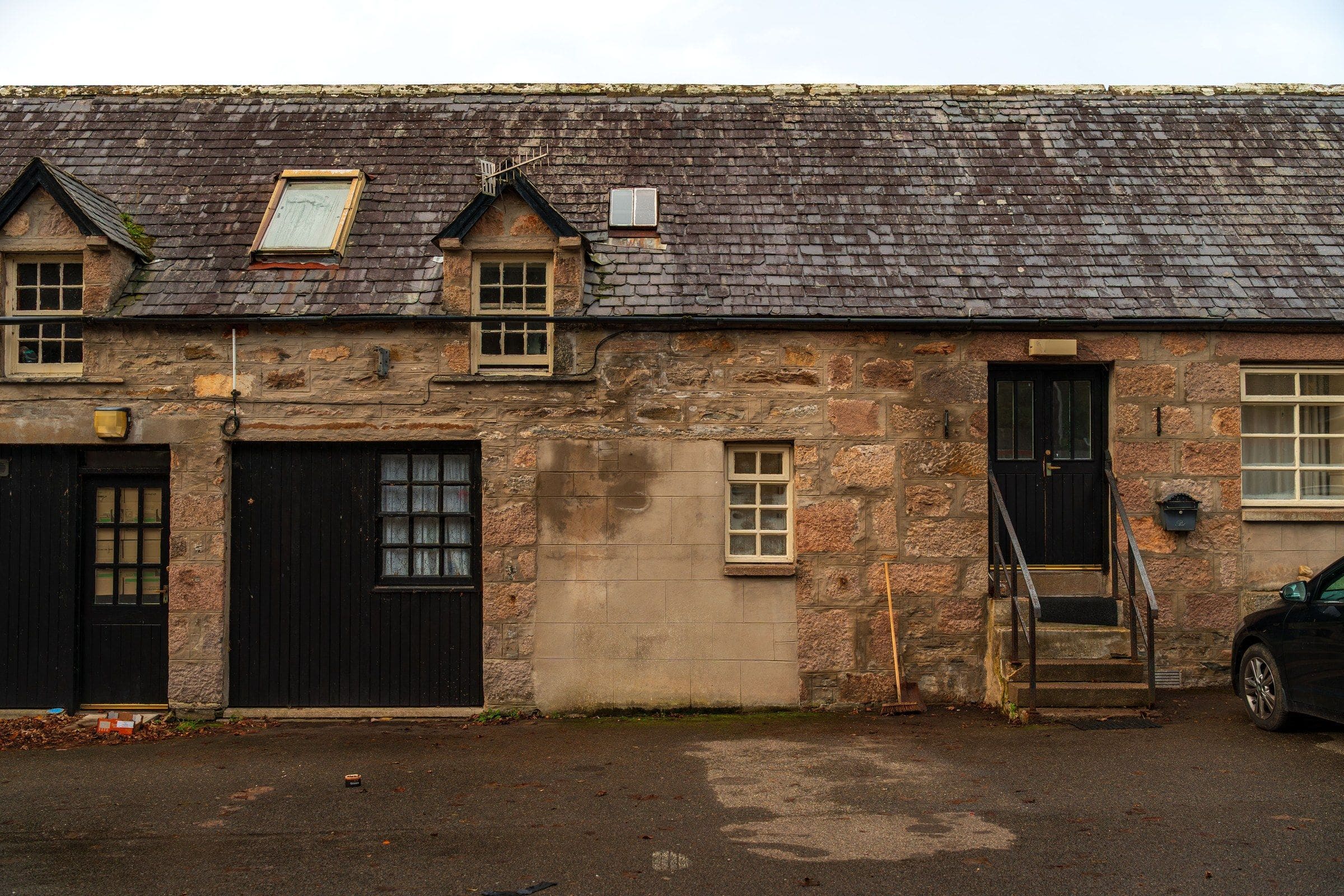
Your roof · 5 min read
Slate, tile or flat: what your roof covering changes
How solar rails are fixed on slate, tiles and flat roofs, what the survey looks for, and why the covering moves the price.
Read the guide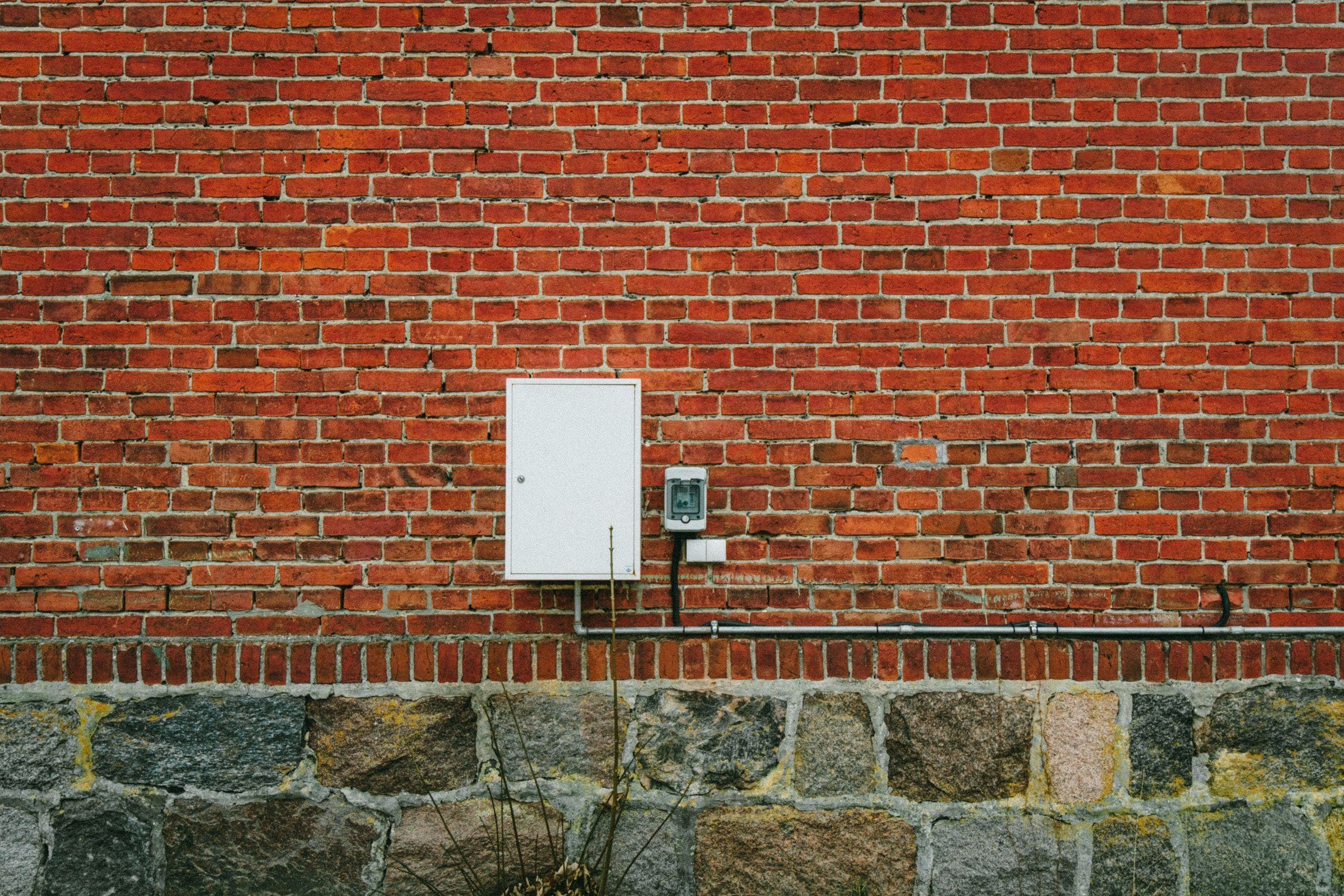
Survey day
Your roof is measured and priced before anyone visits. The survey is where those numbers meet the house: the rafters, the electrics and the space around it. Nothing is signed on the day.
Why a survey
Most of what a survey used to start with, we already have. Pitch, orientation, usable area, shading, obstructions and covering are read from aerial imagery before a visit is booked. That changes what the visit is for. Nobody arrives to size a system or to sell one. The surveyor arrives with our numbers and one job: to check them.
What the air can’t see is inside the roof and behind the meter: whether the rafters are sound for the rails, whether the consumer unit has room for the solar circuit, where a cable can run and where the scaffold can stand. The visit is built around those questions, and around anything that could move the price.
The survey-day checklist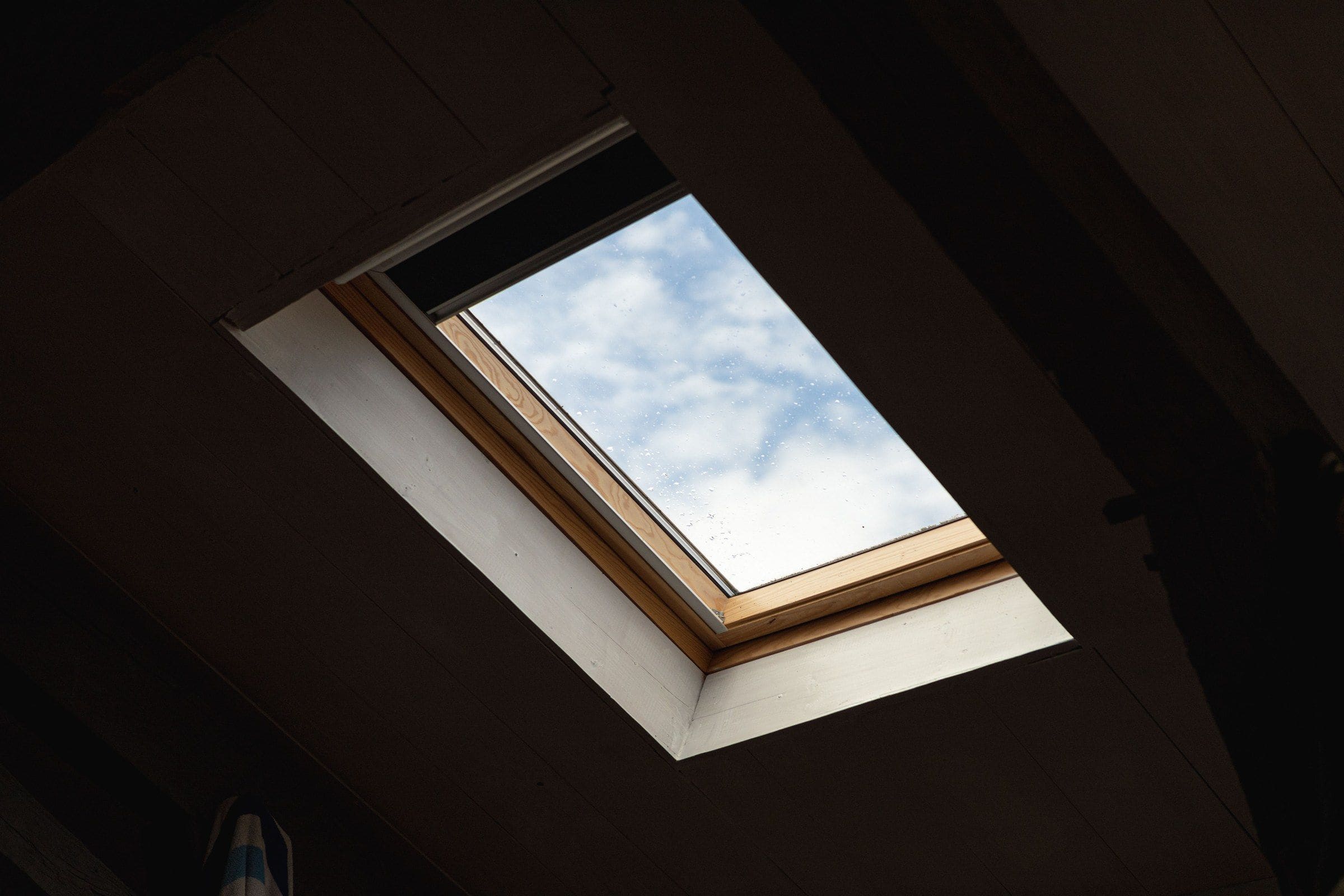
Survey day
A surveyor comes to confirm what we read from above and to see what the air can’t. They measure, check, photograph and explain. Then they leave.
Signed on the day: nothing.
What to have ready
Three things to have ready, and one to mention.
The loft is where the rafters are checked and the cable route is found, so the surveyor needs to get up there.
The consumer unit, the earthing and the meter are all checked, so the surveyor needs to reach the fuse box and the meter.
The surveyor is there to explain as well as to check. Ask about anything on the estimate.
Either can change the array we size, the inverter we choose and whether a battery earns its place, so mention them on the day.
If the price moves
If anything moves the price, you’ll know why before you sign.
After you say yes
Your roof sized and priced from above.
A surveyor confirms the roof and checks what the air can’t see.
One installer, their quote already checked against the market.
Grid approval first, if the system needs it. Then scaffold, array, inverter, and a battery if you chose one.
Certificates issued, the grid notified, your export payments applied for. We chase until each is done.
Monitoring, planned for a later phase.
Survey day · questions
Yes, or someone who can let the surveyor into the loft and show them the fuse box and meter. It is also your chance to ask questions, however small.
No. The survey is a check, not a pitch: the surveyor confirms our numbers, explains anything that could move the price and leaves. Signed on the day: nothing.
The surveyor explains it before they leave and photographs it for the installer. If it moves the price, you’ll know why before you sign.
We introduce one installer, their quote already checked against the market. The survey notes and photos go with the introduction, so nobody asks you the same question twice.
From the guides
Every guide explains one part of the job in plain English.
Your roof · 5 min read
How solar rails are fixed on slate, tiles and flat roofs, what the survey looks for, and why the covering moves the price.
Read the guide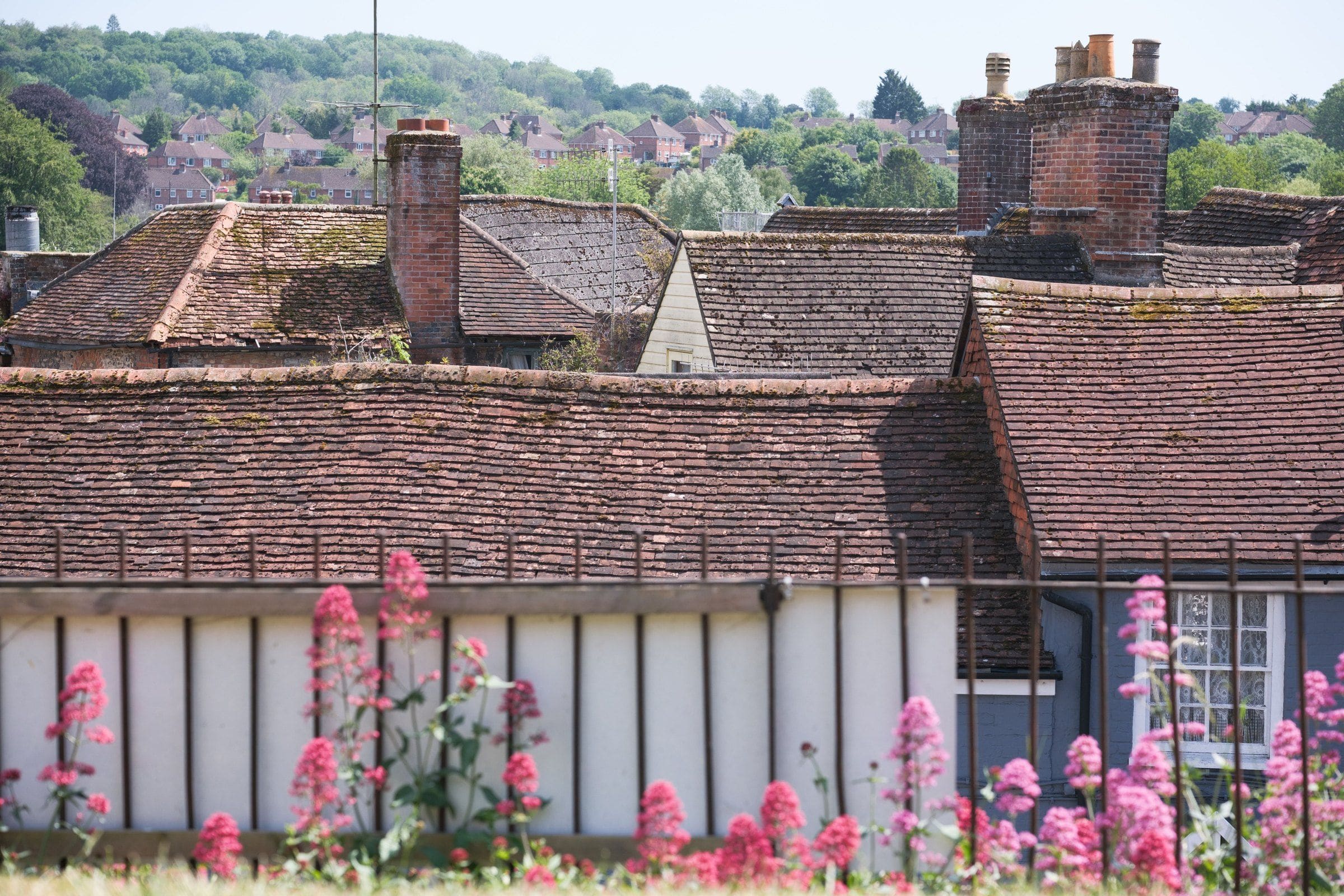
Before you buy · 5 min read
What the surveyor checks on the roof, in the loft and at the fuse box, what to have ready, and what happens once they have gone.
Read the guide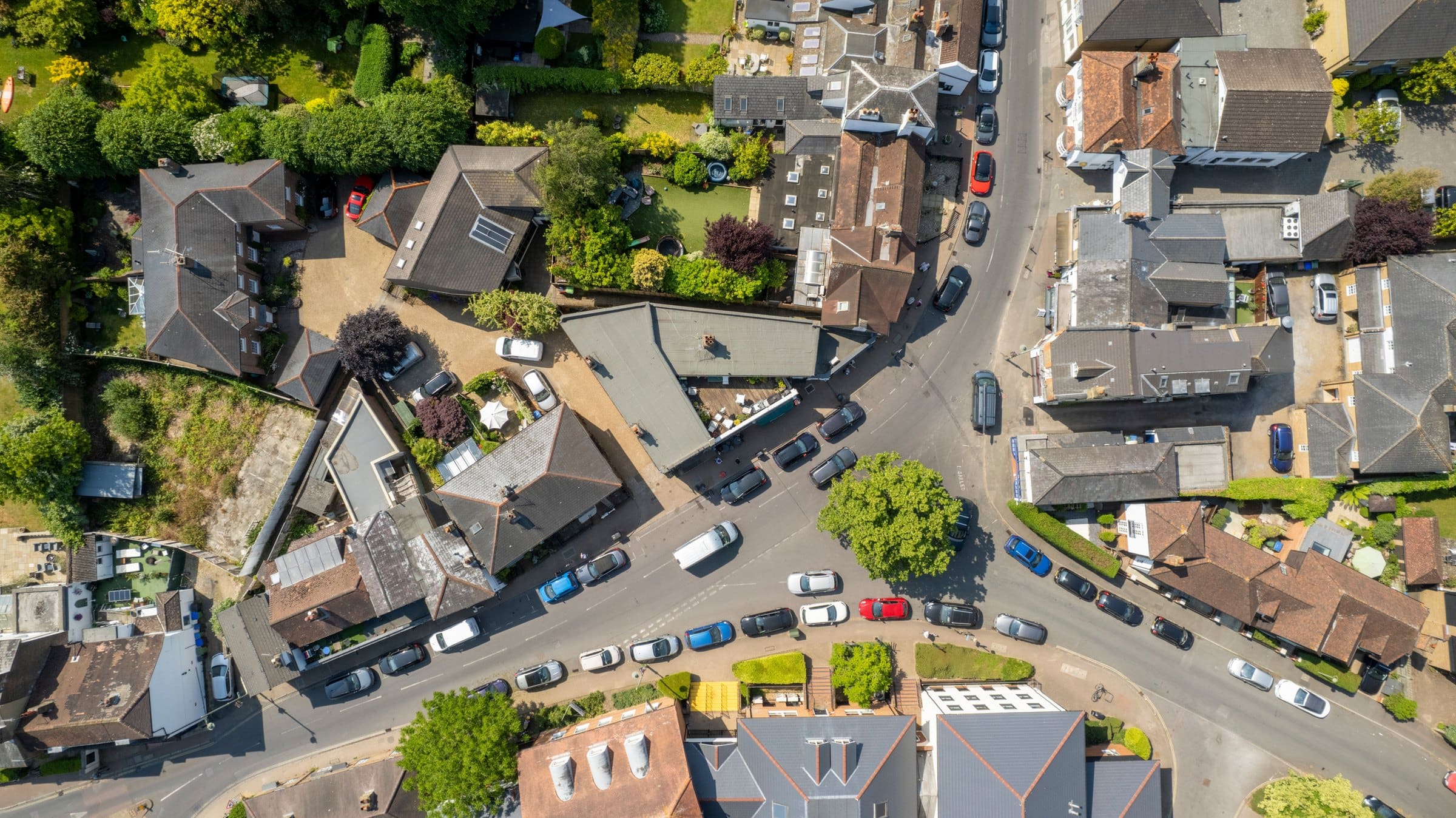
Your roof · 5 min read
The six things we read from above before anyone visits, how each one shapes the estimate, and what only a survey can see.
Read the guideKeep reading
Your roof sized and priced from above
Seven checks, then one name
Planned into the array
Estimate or survey
Our estimate is free. If you proceed to survey, our partner installer invoices you directly; we receive a referral fee from them, never from you, and it never affects which installer we introduce.
We use these details only to send your estimate and arrange a survey. Privacy Policy
This form needs JavaScript switched on.
Or ring us free on 0800 593 0413