


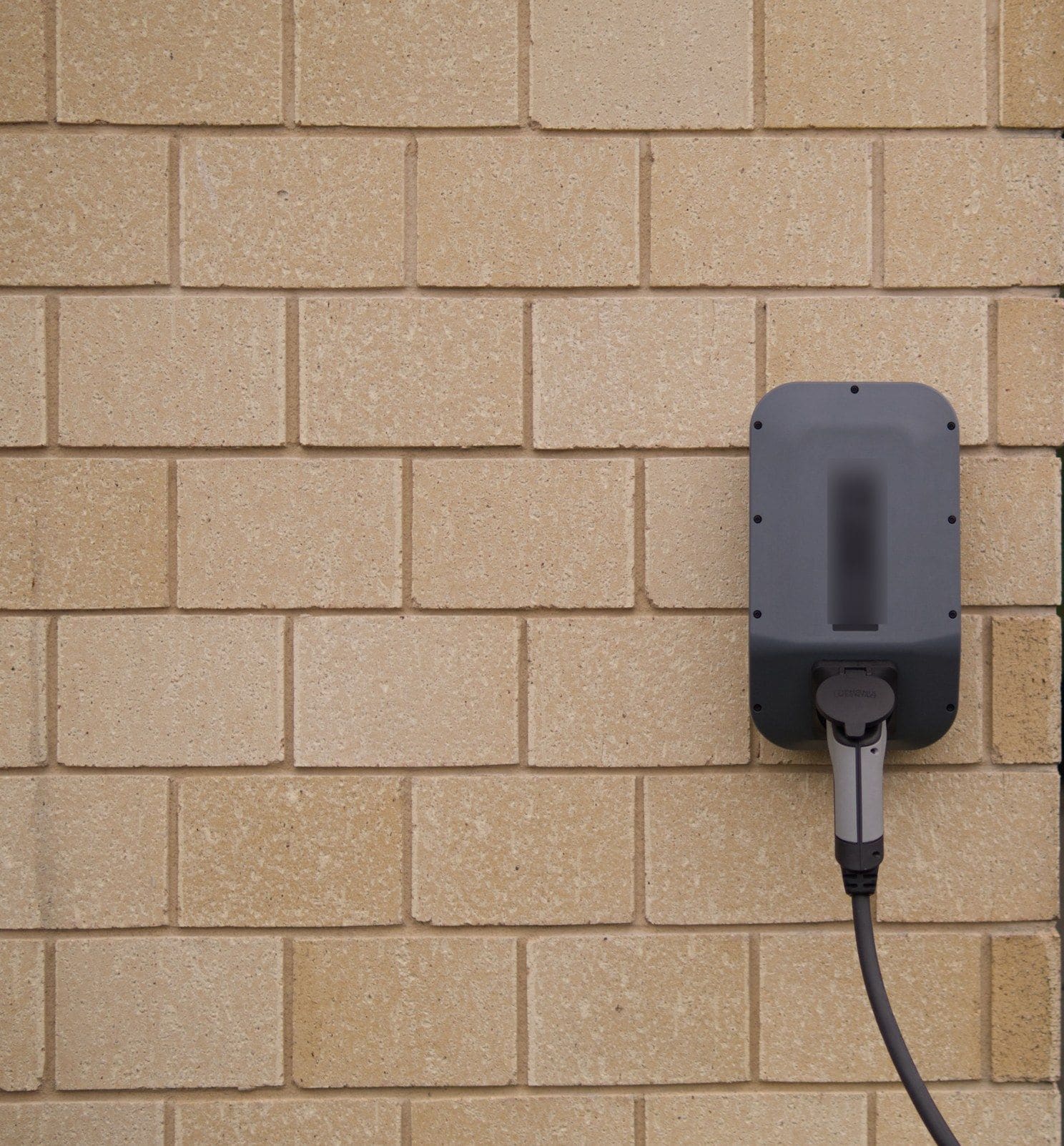
EV chargers
Charging your car on spare solar, or overnight.
Charge the car on what the roof has spare, or overnight on a cheaper rate. Either way, tell us about the car before we size the roof.
- Solar-aware charging
- On spare power
- Overnight charging
- On a cheaper rate
- When to tell us
- Before the survey
Two ways to charge
Follow the sun, or charge overnight.
A charger that follows the sun reads what your home sends to the grid and turns the charge up or down to match. Below a certain rate a car won’t charge, so when the spare runs short, it waits or tops up from the grid.
On spare solar
- Best where
- The car is at home in the day and the roof often makes more than the house is using.
- Watch for
- Short winter days, when the roof has little to spare and the car leans on the grid.
Overnight, on a cheaper rate
- Best where
- The car is out in the day or covers long distances, and your supplier offers a cheaper overnight rate.
- Watch for
- The tariff’s terms, because rates and hours vary by supplier and some need a particular charger or car.
Why it changes the roof
A car changes the array, the inverter and the battery decision.
Knowing now can mean more panels where the roof has room, and an inverter chosen with the charger in mind. It changes the battery answer too: charging overnight on a cheaper rate makes a battery more likely to earn its place, while a car that soaks up spare solar in the day leaves less to store.
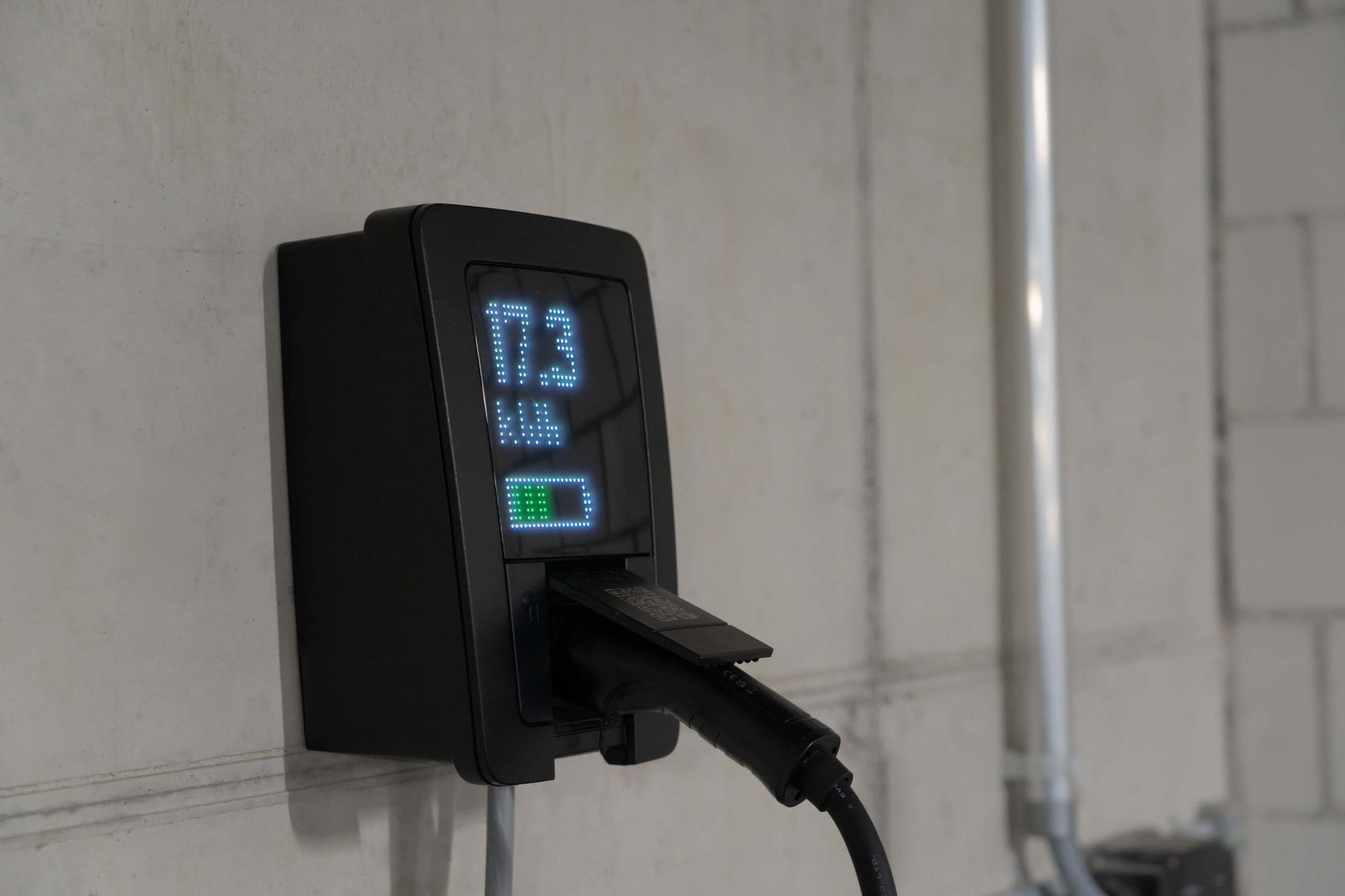
Electric car · heat pump · hot water
Planning a car or a heat pump? Tell us first.
Either can use as much power as the rest of the house, and at different times of day. Knowing now changes the array we size, the inverter we choose and whether a battery earns its place.
Your roofWhat the array makes
- The house · firstWhatever is running takes the roof’s power first.
- BatteryStores what’s spare for the evening.
- Hot waterA diverter sends spare power to the immersion heater.
- The grid · what’s leftExported, and paid at your export rate.
- Electric carA charger that follows the sun tops up on spare power, or charges overnight on a cheaper rate.
- Heat pumpWorks hardest in winter, when the roof makes least, so we size for the house you’ll have, not the bill you had.
After the house, you choose the order.
The cable
Tethered or untethered.
A tethered charger has its cable fixed on. An untethered one has a socket for a cable you keep in the car.
Tethered
- Best where
- One car uses the charger and you want to plug in without fetching a cable from the boot.
- Watch for
- The cable’s length and plug, which have to reach the car’s socket and suit the next car too.
Untethered
- Best where
- More than one car may use it, or a tidier wall matters at the front of the house.
- Watch for
- The daily routine, because the cable lives in the car and comes out every time you charge.
On survey day
What the survey checks for a charger.
- 01
A route for the cable
From the consumer unit to where the car parks, through walls, along the house or under a path.
- 02
Space in the consumer unit
A charger needs its own circuit and its own protection. If the board is full or old, it may need work, and that goes on the quote.
- 03
Earthing
Outdoor charge points have their own earthing rules. Some homes need an earth rod at the charger, or a charger with the protection built in, and the surveyor checks which applies.
On the quote
What the installer’s quote should specify.
We check every line of the quote before it reaches you. These are the ones that should never be missing.
- The make and model of the charger
- Tethered or untethered, and the cable length
- Whether it can charge on spare solar
- Any work on the cable route, consumer unit or earthing
- Who certifies the electrical work
EV chargers · questions
Asked about chargers.
01Can a charger be added later?
Yes. Telling us now just means the array and the inverter are chosen with it in mind.
02Should the home battery charge the car?
It can, but a battery sized for your evenings would empty long before the car was full, and the house would then buy from the grid. Many systems can be set to keep the battery for the house.
03Does a charger need Building Regulations sign-off?
Yes. A new circuit is notifiable under Building Regulations, Part P in England and Wales, and a registered NICEIC contractor self-certifies it. Every installer we introduce is NICEIC-registered.
04Which charger do you recommend?
The one that suits your car, your parking and your tariff. We sell no brand: the installer’s quote names the make and model, and we check it line by line.
Keep reading
The rest of the system.
-
Car, heat pump and hot water
Planned into the array
-
Home batteries
Matched to your evenings
-
Solar panels
The panel that suits your roof

Estimate or survey
Start with a postcode.
Our estimate is free. If you proceed to survey, our partner installer invoices you directly; we receive a referral fee from them, never from you, and it never affects which installer we introduce.
We use these details only to send your estimate and arrange a survey. Privacy Policy
This form needs JavaScript switched on.
Or ring us free on 0800 593 0413