

When your roof makes more than your home is using, the spare goes to the grid, and you can be paid for it. This guide covers how export payments work, what has to be in place before they start, and why part of any solar saving is export income rather than a smaller bill.
Where the spare power goes
Panels make most at midday. Most homes use most in the evening. So on a bright day there are hours when the roof is making more than the house needs.
Whatever is running in the house takes the roof’s power first. What’s left goes out through your meter to the grid. Nobody has to switch anything. It happens on its own, unit by unit, as the power is made.
A battery can store some of that spare for the evening, and a diverter can send some to the immersion heater. Whatever neither of them takes is exported. Those units are the ones export payments are for.
Export follows the seasons. On a dull winter day there may be little or nothing to send out. On a bright summer one there may be hours of it. That is why an estimate talks about a year, not a month.
The Smart Export Guarantee, in general terms
The Smart Export Guarantee, usually shortened to SEG, is the arrangement under which electricity suppliers pay households for the units they export.
A few points are worth knowing before you look at rates:
- The system has to be MCS-certified, which is what makes it eligible for SEG payments.
- Rates are set by each supplier, and they vary.
- You choose who pays you. It doesn’t have to be the company you buy your electricity from, though some suppliers keep their export rates for their own customers.
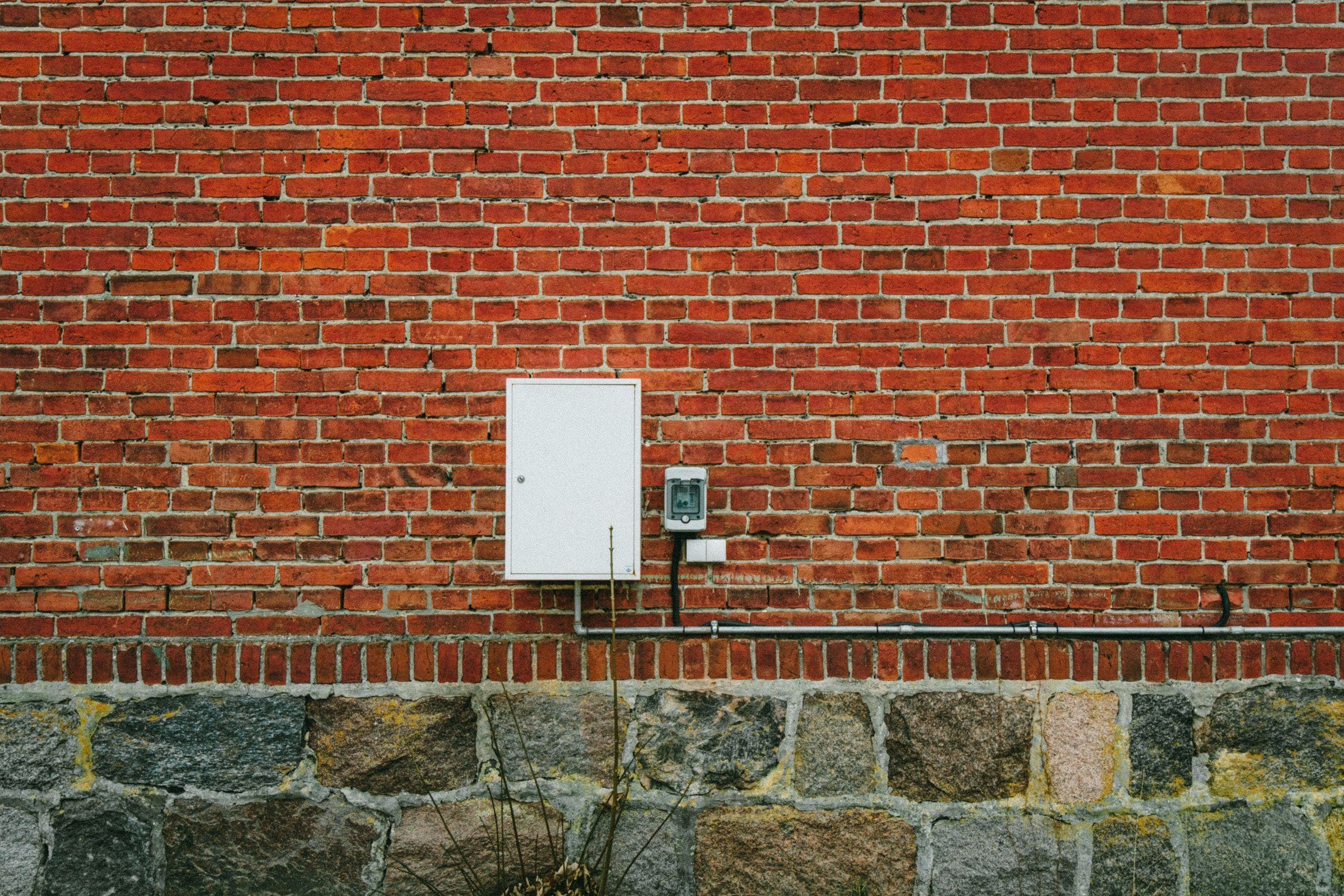
- Your export has to be measured, which usually means a smart meter that records what goes out as well as what comes in.
Two numbers are easy to mix up. The export rate is what you’re paid for each unit you send out. The unit price is what you pay for each unit you buy in. They sit on different tariffs, and they can come from different suppliers.
The terms vary as much as the rates, so read both. A headline rate tells you what a unit is worth today, not how long that rate will last or what it depends on.
What has to be in place before payments start
Export payments don’t begin on their own. A few things come first.
- The MCS certificate, issued once the system is installed and registered.
- A meter that can measure export. If you don’t have a smart meter yet, it’s worth asking your supplier about one early, so it isn’t the thing you’re waiting on.
- An application to the supplier you’ve chosen. Suppliers usually ask for the MCS certificate and details of your meter.
Alongside those, your local DNO, the company that runs the grid in your area, must be told about the system. Small systems are usually notified after connection; larger ones need approval first. It is a separate job from the export application, but it belongs to the same sign-off.
None of it happens by itself, which is why the paperwork after an install matters as much as the install.
Why part of the saving is export income
A solar saving comes in two parts. One is the units you use at home, which come off your bill. The other is the units you export, which are paid for at your export rate. They are rarely worth the same.
A unit you use is worth what you’d have paid for it. A unit you export is worth your export rate.
The first part depends on your unit price and on how much of the roof’s output you use. The second depends on your export rate and on how much is left over. Neither touches the standing charge, which stays the same whatever the roof does.
This is why two homes with identical roofs can see different savings. One is home all day and uses more of what it makes. The other is out, exports more, and relies more on its export rate.

The example estimate, split in two
The example estimate is for a semi-detached house in Exeter with a 6.2 kWp array, making about 5,400 kWh a year. The household’s bill is £1,500 a year. The estimate assumes 30p a unit bought and 16p a unit exported.
Without a battery, 28 per cent of what the roof makes is used at home. The rest is exported. The saving comes to about £1,080 a year:
- £460 off the bill, from the units used at home, each worth 30p
- £620 in export payments, for the units sent to the grid at 16p each
In this example, the export part is the larger of the two.
The 16p is an assumption. It isn’t a rate anyone has promised, and export rates are set by each supplier and vary. A different export rate would change the £620 line, not the £460. A different unit price would do the opposite.
With a 10 kWh battery, the split moves. 48 per cent of what the roof makes is used at home, and the saving is about £1,230 a year: £780 off the bill and £450 in export payments. The battery takes units from the export column and puts them in the bill column. The stronger your export rate, the less each of those moved units gains.
Choosing who pays you
Because rates vary by supplier, compare before you apply. When you do, look at:
- the rate for each unit exported
- whether it is fixed for a period, or can change
- whether it depends on buying your electricity from the same supplier, and if so, what that tariff costs
- how and when you are paid
A higher export rate tied to a dearer tariff for the units you buy may not come out ahead. Put the pair side by side, not the export line on its own.
What we do
Our estimates show the saving in two parts, off the bill and exported, with the unit price and export rate they assume. A larger system needs the grid’s approval before it is fitted. At sign-off, the certificates are issued, the grid is notified and your export payments are applied for, and we chase until each is done.