


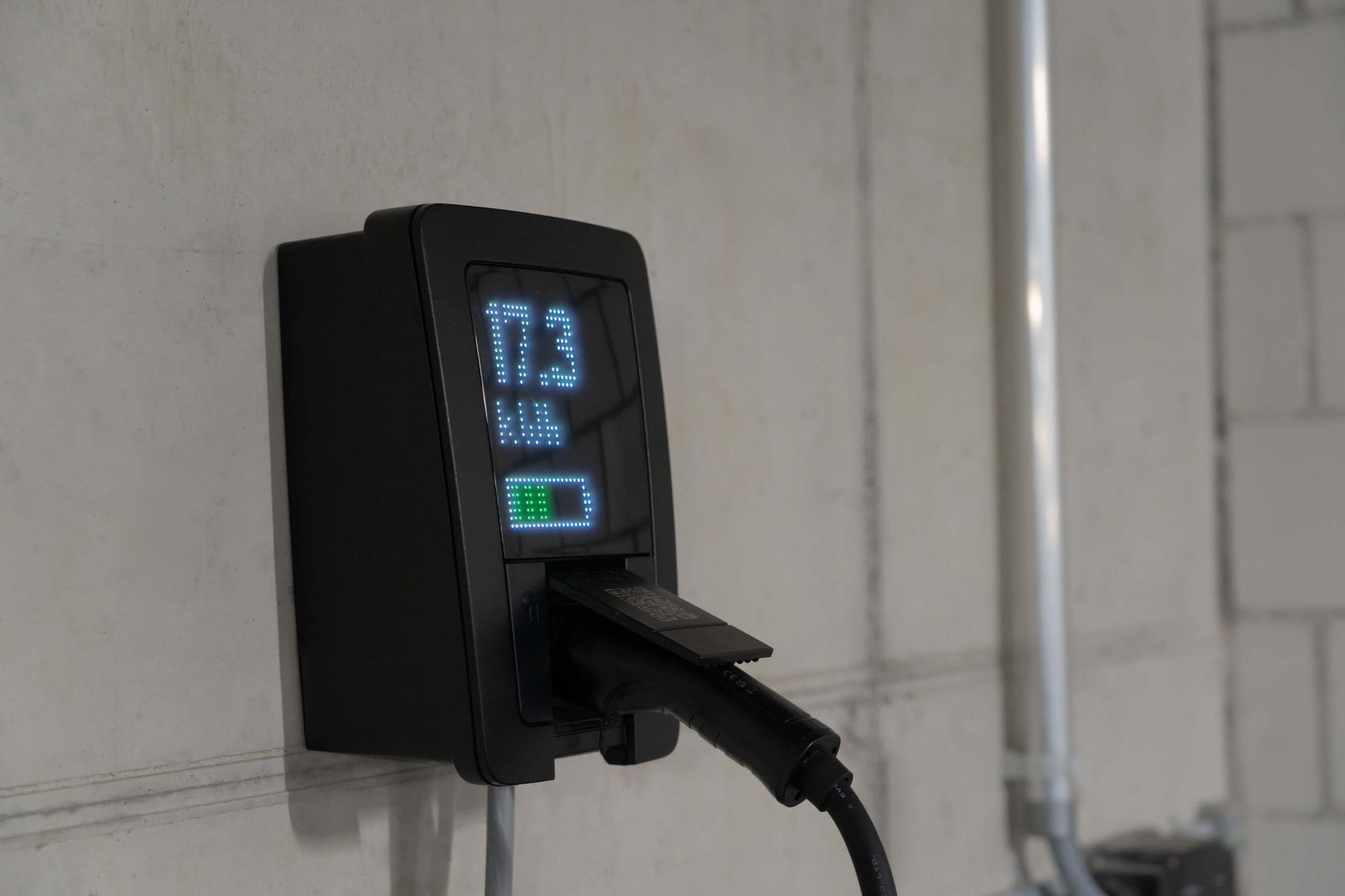
An electric car or a heat pump can use as much power as the rest of the house, and at different times of day. If either is on the way, it changes the array we size, the inverter we choose and whether a battery earns its place, so it’s worth saying so before the estimate is settled.
Why a new load changes the sums
A solar estimate is built around how much you use, and when. Add a car or a heat pump and both change.
Timing matters as much as size. A car charged in the evening adds use at a time of day the roof can’t reach. A heat pump adds most in the months the roof makes least. Both change the case for a battery as much as the size of the array.
The electricity bill you have now doesn’t show that future. If a heat pump will replace a gas boiler, your heating moves from the gas bill onto the electricity bill. If an electric car will replace a petrol or diesel one, its miles move there too. Size a system to today’s bill, and you’ve sized it for a house that’s about to change.
Size for the house you’ll have, not the bill you had.
More use during daylight means more of the roof’s output is used at home rather than exported. That can make it worth covering more of the usable roof than today’s bill alone would suggest. The roof sets the limit. The plan decides how close to it you go.
The inverter, and room for what comes next
Some inverters are built to take a battery, now or later. With others, a battery added later needs an inverter of its own. So knowing the plan now can change the inverter we choose, and leave room for what comes next. That is easier to decide at the start than to undo later.
There is also the consumer unit. A car charger and a heat pump each need a circuit of their own, just as the solar does. The survey checks for room in the consumer unit for the solar circuit, and it’s worth having the whole plan in view when it does, so the space is thought about once.

Electric cars: charging on sunshine or overnight
A car can charge in two ways that suit a solar home.
- A charger that follows the sun tops up the car on spare power, adjusting as the roof’s output rises and falls, so less of it goes to the grid.
- Or it charges overnight on a cheaper rate, if you’re on a time-of-use tariff. Tariffs vary by supplier.
A car’s battery is far larger than a home battery, so on a bright day a sun-following charger can keep taking spare power for hours.
Which suits you depends on where the car is during the day. Charging from the sun only works when the car is plugged in at home while the roof is generating. If it’s at work from morning to evening, the overnight rate may matter more than the roof.
An overnight tariff also changes the battery question. A battery is usually worth it when an electric car charges overnight. On a cheaper overnight rate, the battery can be filled at night as well as from the roof, then used through the evening, when prices are usually higher.
Heat pumps: most demand when the roof makes least
A heat pump works hardest in winter, when the roof makes least. Short days and a low sun mean a winter roof makes far less than it does in summer, just as the heating is running longest.
So solar won’t carry a heat pump through the winter. What it will do is cover more of the house’s daytime use across the rest of the year, when the heat pump has less to do and the roof has more to give.
That mismatch is why the heat pump belongs in the estimate from the start. It changes how much electricity the house uses in a year, and when, and both feed into the size of the array and whether a battery earns its place.
If you aren’t sure when a heat pump will come, plan for it anyway. The array and the inverter will be on your house for many years, and a heat pump that arrives later still has to fit around them.

Hot water: where a diverter fits
A diverter sends spare power to the immersion heater in your hot water cylinder, instead of exporting it. The tank of hot water becomes a store for the roof’s spare output.
It needs a cylinder with an immersion heater. A home on a combi boiler usually doesn’t have one.
Whether a diverter pays depends on two things. The first is your export rate, because every unit sent to the immersion heater is a unit you aren’t paid for. The second is how you’d otherwise heat the water. Export rates vary by supplier, so the answer isn’t the same for every home.
If a heat pump is on the way, it matters here too: it changes how your water will be heated, and so what a diverter would save.
Deciding where the spare power goes
A solar home can send its spare power to several places. The house always comes first. After that, you choose the order.
- The house: whatever is running takes the roof’s power first.
- The battery: stores what’s spare for the evening.
- Hot water: a diverter sends spare power to the immersion heater.
- The car: tops up on spare power, or waits for the overnight rate.
- The grid: takes what’s left, paid at your export rate.
The right order depends on your tariff, your export rate and when you need each one. A household that drives to work may want the battery filled first and the car charged overnight. One with the car at home through the day may put the car ahead of the battery. Neither is wrong. They are different houses.
What we do
We size the array, choose the inverter and price the battery both ways for the house you’ll have, not only the bill you had. If you tell us about a car, a heat pump or a diverter early, it goes into the plan from the start rather than being added later.