



Sometimes. A solar battery is worth it when a house uses most of its electricity after dark, pays a lot more for a unit than it is paid to export one, and plans to stay long enough to see the battery repay itself. It is not worth it for a house that is at home all day, exports little, or expects the battery to carry it through winter. This guide gives the sums for both cases, using the same example roof and the same assumptions our estimates use, so you can put your own bill into the shape of it.
What a battery actually earns
A battery does one thing: it moves midday solar into the evening. Every unit it holds back is a unit you did not export at your export rate and did not buy later at your unit price. So the battery’s earning on each unit is the gap between the two, not the whole unit price.
On our example estimate the household pays 30p for a unit and is paid 16p for an exported one. The gap is what the battery works with. A 10 kWh battery added to the 6.2 kWp example system lifts the yearly saving from £1,080 to £1,230, so the battery itself adds about £150 a year. It costs £4,500. On its own arithmetic that is a payback of around 30 years, which is longer than its warranty. The whole system with the battery pays back in about ten years against seven without, because the panels do most of the earning either way.
That is the honest baseline, and it is why the solar battery cost page shows both numbers side by side instead of one blended figure.
When the answer tips towards yes
Four things move the battery from “probably not” to “worth it”, and they can stack.
- Evening use. The larger the share of your electricity used after dark, the more units the battery has to move. A household out all day and in all evening is the pattern it was built for.
- A wide gap between import and export. If your export rate is low and your unit price high, each stored unit is worth more. If you already have a strong export tariff, the battery earns less per unit.
- A time-of-use tariff. Cheap overnight electricity lets the battery charge from the grid at the low rate and discharge at the high one, earning on winter nights when the roof makes little. That can roughly double a battery’s working year.
- An electric car or a heat pump. Both raise evening and winter demand, which is exactly where the battery earns. Our guide to solar with a car or heat pump covers how they change the sizing.
When the answer stays no
- A house with someone home all day, using power while the roof makes it, has little to store.
- A small roof making less than the house uses by day has little spare to move.
- A household likely to move within a few years may never see the payback.
- Anyone expecting the battery to run the house through winter on solar: in December our example roof makes about 35 kWh per kWp, so a 6.2 kWp array makes roughly 220 kWh in the month, against a medium household’s winter use well above that. The battery fills in summer evenings, not winter nights.
The price, and what moves it
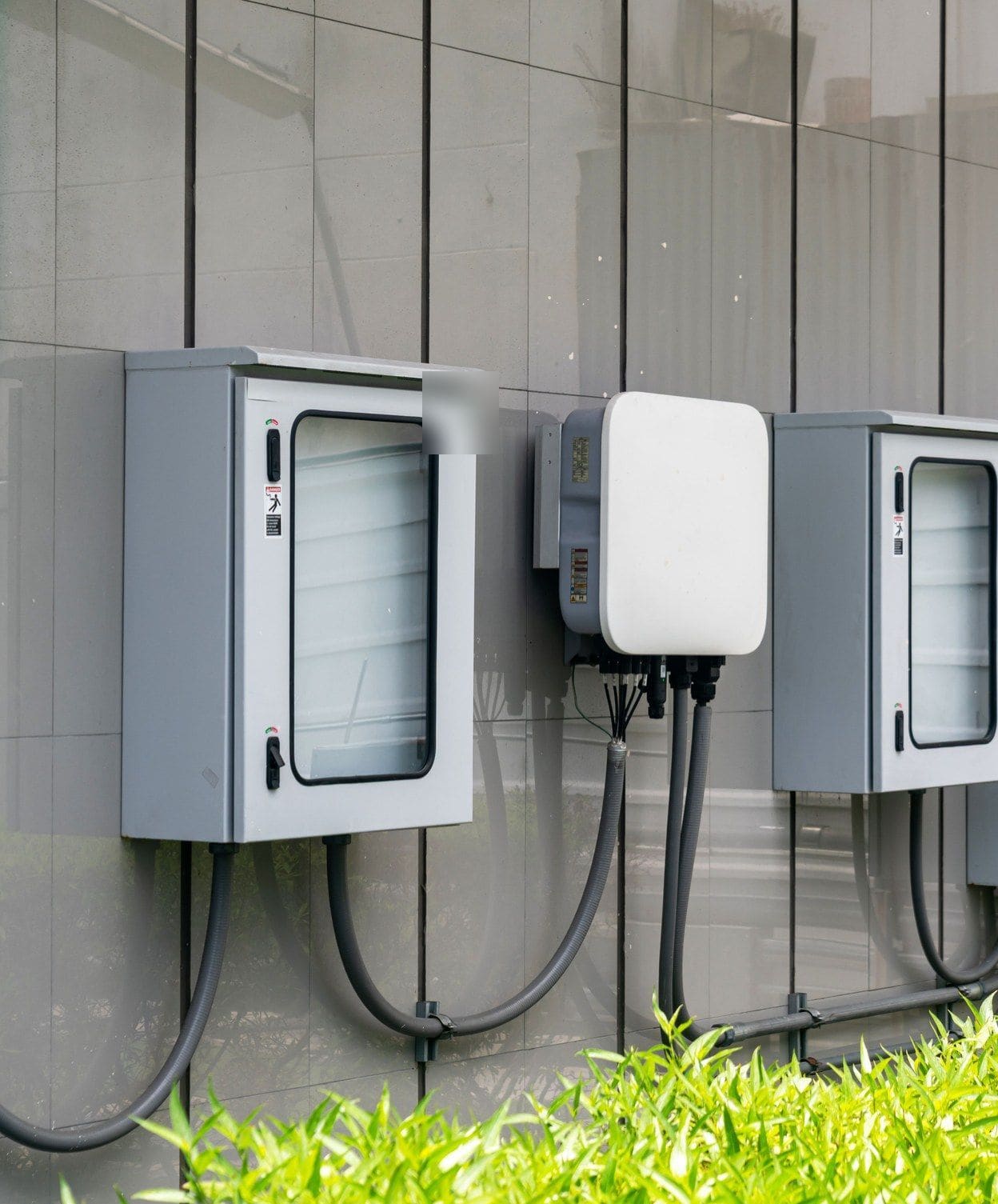
Our example prices a 10 kWh battery at £4,500 installed alongside the solar. That figure moves with capacity, with whether the battery is AC-coupled (its own inverter, easy to add later) or DC-coupled (sharing a hybrid inverter, cheaper when fitted with the panels), with where it can live, and with the manufacturer. Adding a battery later usually costs more than fitting it at the same time, because the scaffold has gone and a second inverter or a hybrid swap is needed. Which battery suits a given house is covered on the best solar battery page; the honest answer for some houses is none.
How to test it against your own bill
Take your yearly units from the bill. Estimate the share you use after dark — if you are out from morning to evening, most of it. Multiply that share of what your roof would make by the gap between your unit price and your export rate. That is roughly what a battery would add a year; divide the battery’s price by it. If the answer is longer than ten years, the battery is a comfort purchase, not a financial one, and there is nothing wrong with buying it as one, as long as nobody has sold it to you as the other.
Our solar panel calculator does the sum for your roof with the battery switched on and off, so you can see both figures before anyone visits.
A battery earns the gap between import and export, one evening at a time.
What we do
We price every estimate with a battery and without one, show what the battery alone adds a year and how long it takes to repay itself, and say plainly when the answer is no. We don’t sell batteries, so we have no reason to.